Ask most people driving the Great Ocean Road these days and they’ll talk about the Twelve Apostles or the rainforest walks in Otway. But few know this now-iconic coastal road was born out of sweat, pickaxes and a post-war dream. It wasn’t tourism that built the Great Ocean Road — but tourism sure gave it a reason to thrive.
When I first drove the old section near Wye River in a rattle old ute I had no idea I was following in the footsteps of WWI returned soldiers who hacked that very road out of sheer cliffs with hand tools. No heavy machinery. No shortcuts. Just mud, mateship and grit.
Let’s get into how one of Australia’s most scenic routes went from bush track to bucket-list essential — and why its history deserves more than a roadside plaque.
Contents
From Memorial Track to Tourist Magnet
A Road Carved from Honour
The Great Ocean Road wasn’t just a transport link. It was built as a living memorial to the thousands of Australians who lost their lives in World War I. Returned servicemen, many unemployed and struggling to reintegrate, were hired to build the road between 1919 and 1932. It was called a public works project and a national healing effort.
These diggers weren’t just laying down gravel. They were quite literally cutting through cliffs, ancient rainforest and rugged coastlines using pickaxes, shovels and wheelbarrows. No surprise the road is so dramatic — it was never designed for efficiency. It was built to follow beauty.
The Early Years: Timber, Not Tourists
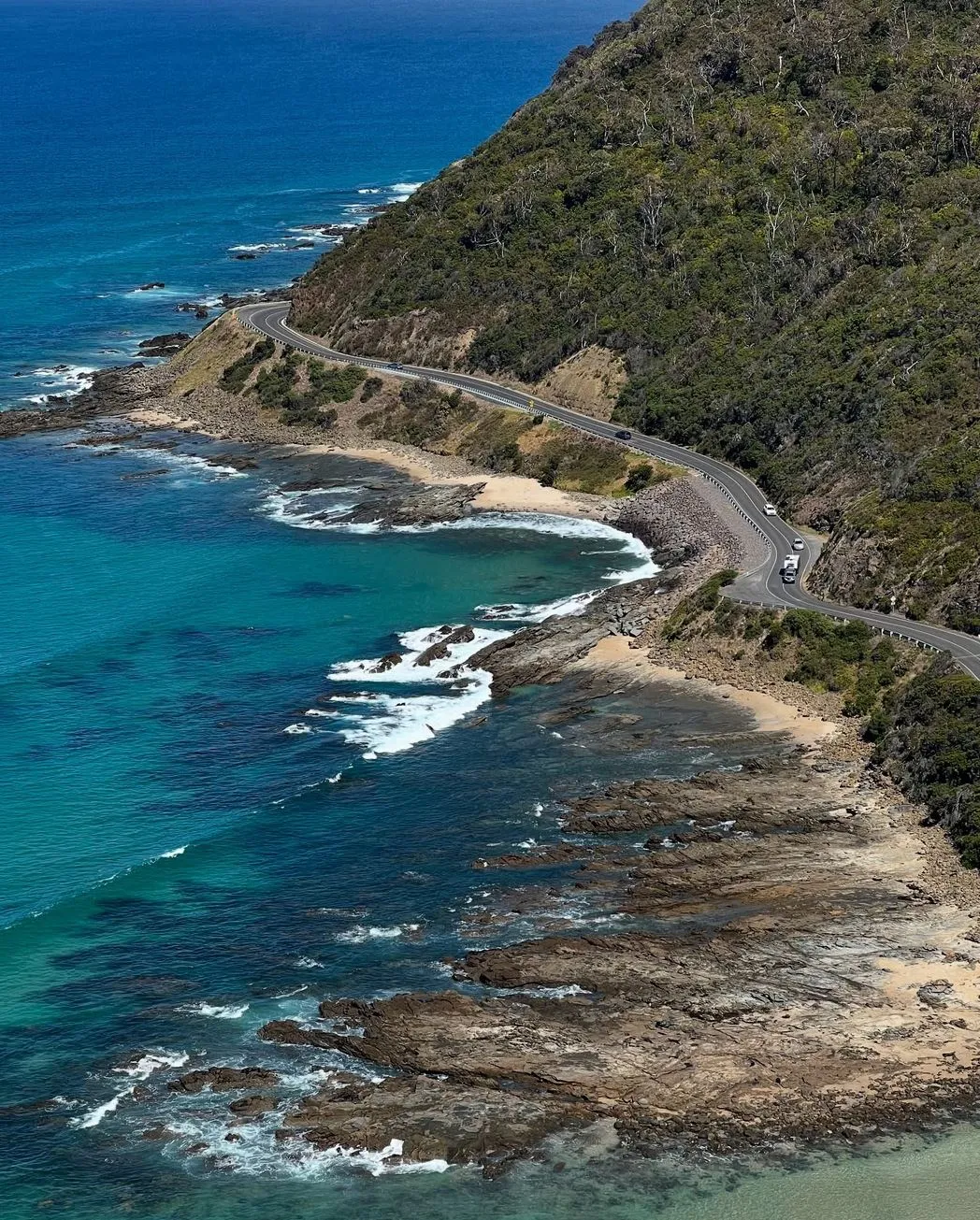
In the 1920s the road was mainly for the timber industries. Logging trucks navigated the bends to haul mountain ash and blackwood out of the Otways. Towns like Lorne and Apollo Bay were tiny seaside towns and holiday homes were a luxury few could afford.
But even then a few early adventure-seekers — think bushwalking clubs, Sunday drivers and Melbourne artists — were drawn to the coast. Blokes in bowler hats would set up easels on windswept cliff tops while families boiled billy tea by the roadside and watched native wildlife shuffle through manna gums.
Boosted by the Boomers
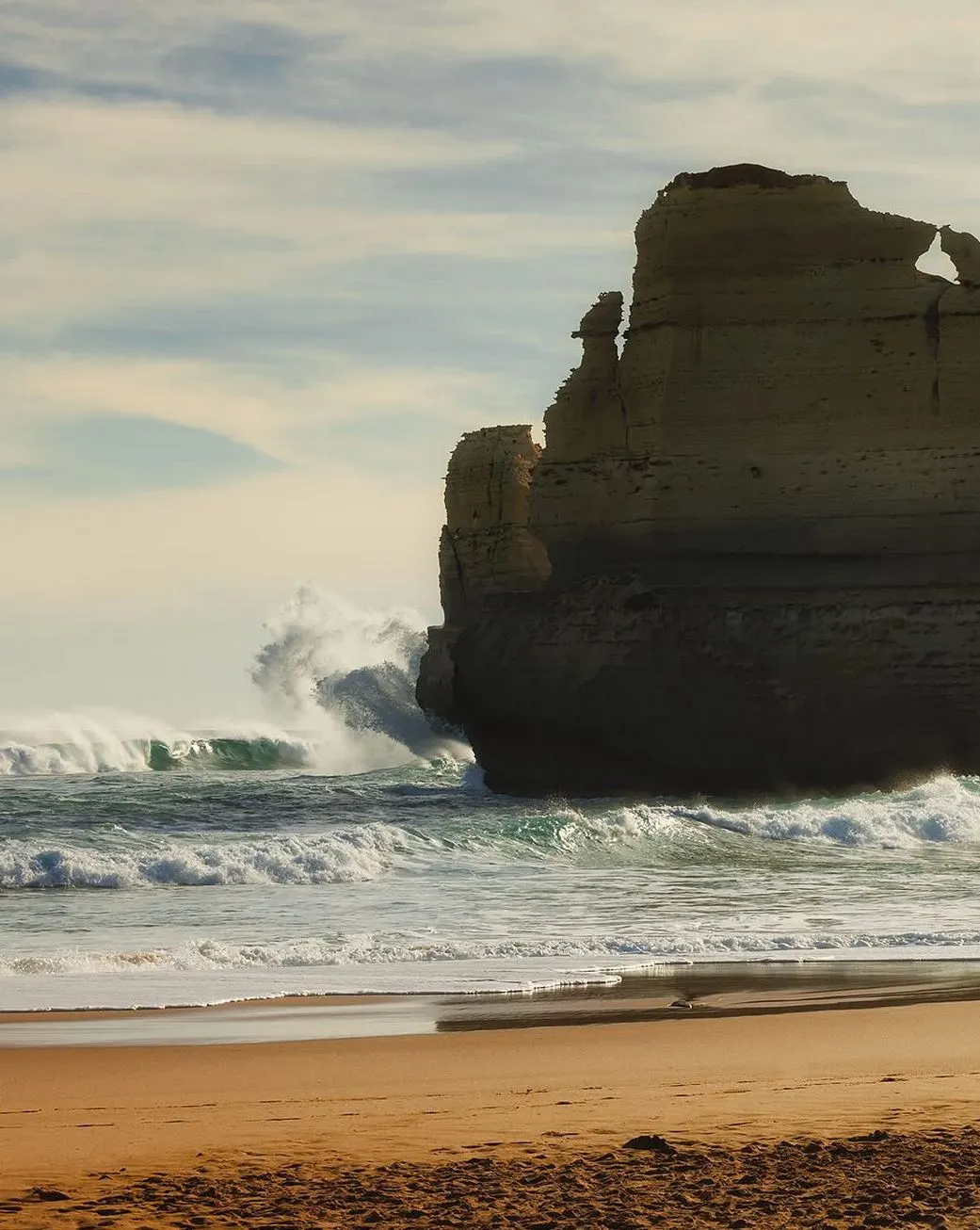
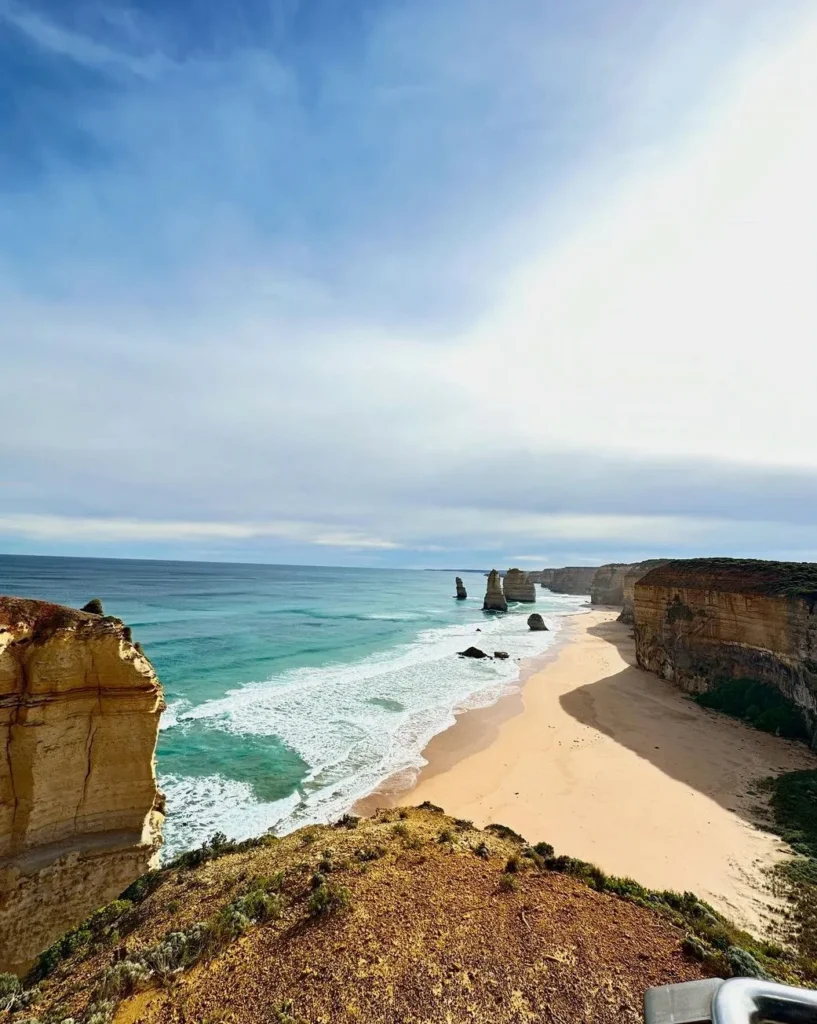
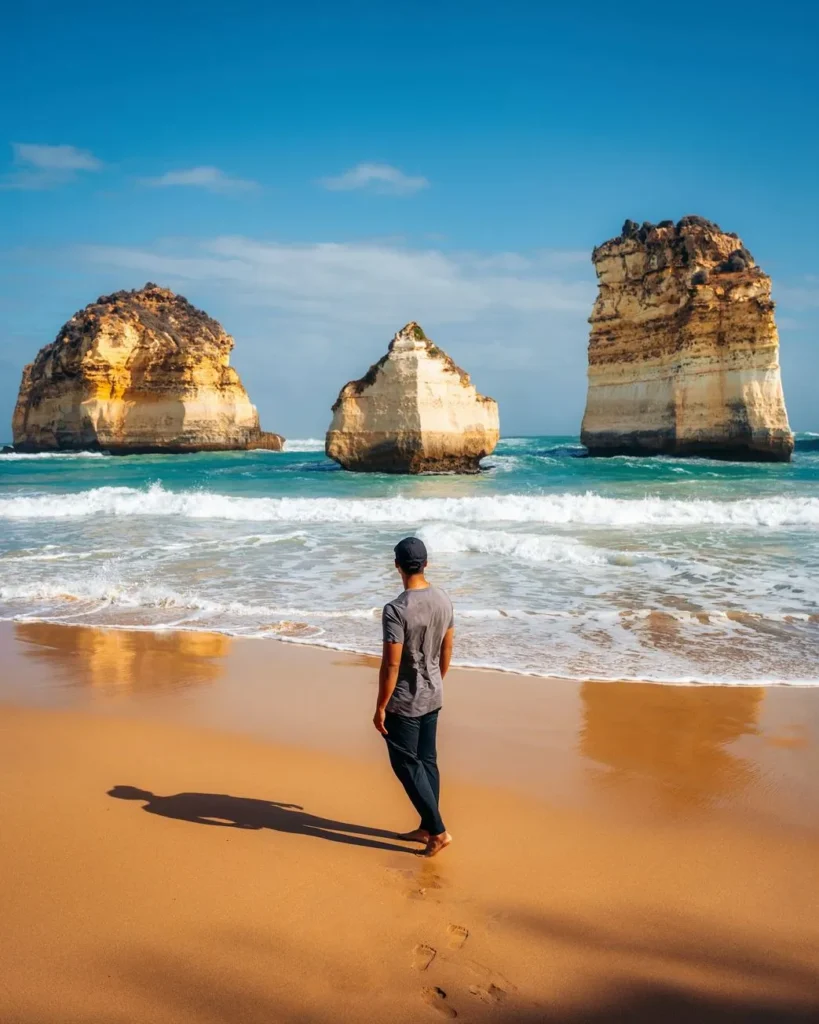
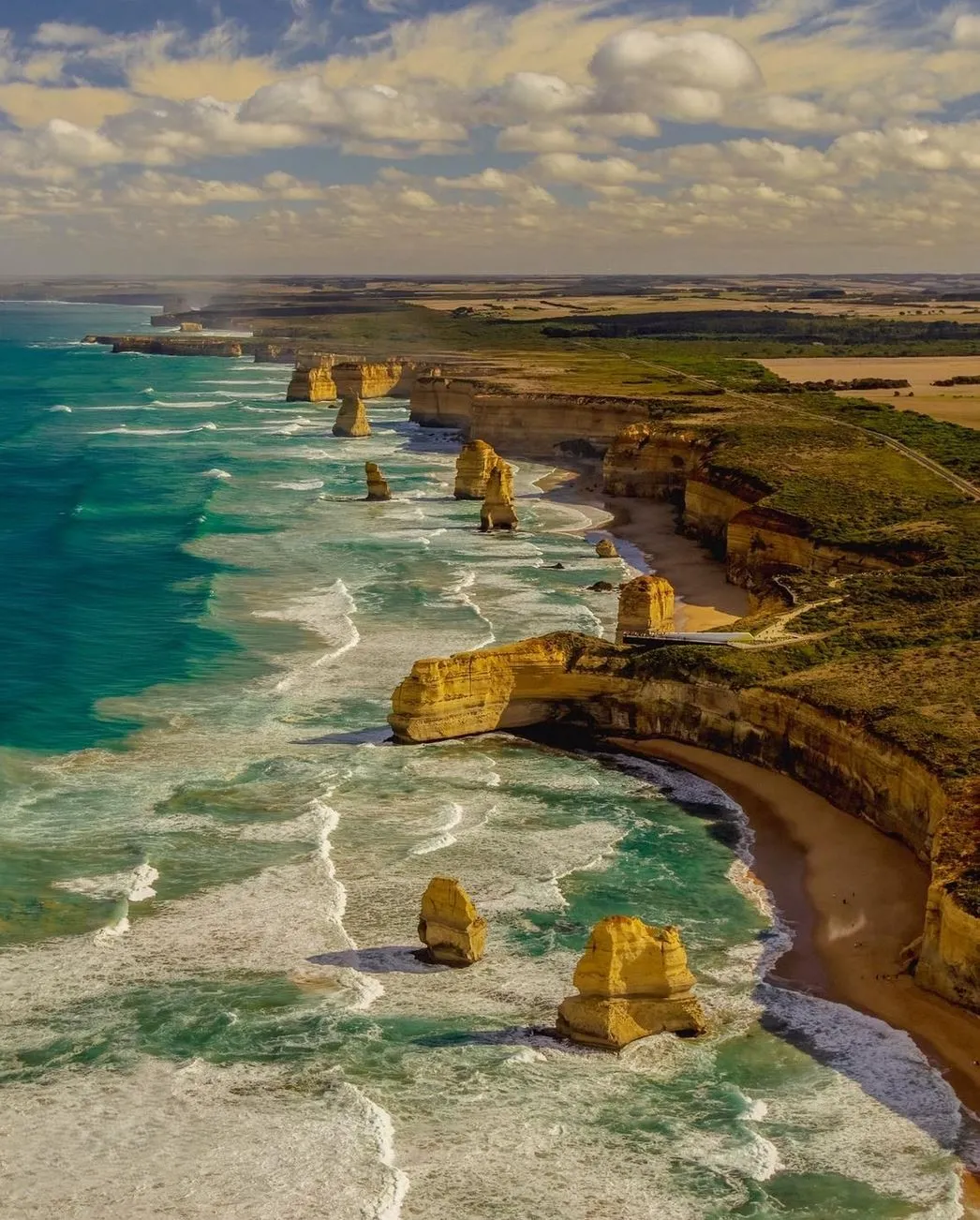
It wasn’t until the post-WWII economic boom that tourism really took off. Car ownership surged. Roads got sealed. Motels popped up like mushrooms after rain.By the 60s and 70s the Great Ocean Road was no longer just a memorial — it was a rite of passage. Surf culture exploded in Torquay and iconic beaches like Bells Beach and Fairhaven became world famous. Campgrounds were full of canvas tents and smoky BBQs. The Twelve Apostles became a major tourist attraction.
These decades was the transition from outback road to one of the world’s great scenic drives. And with it came the cafes, tour buses, lookouts and… the traffic.
Local Hacks and Historic Pit Stops
Don’t Just Drive It — Read the Road
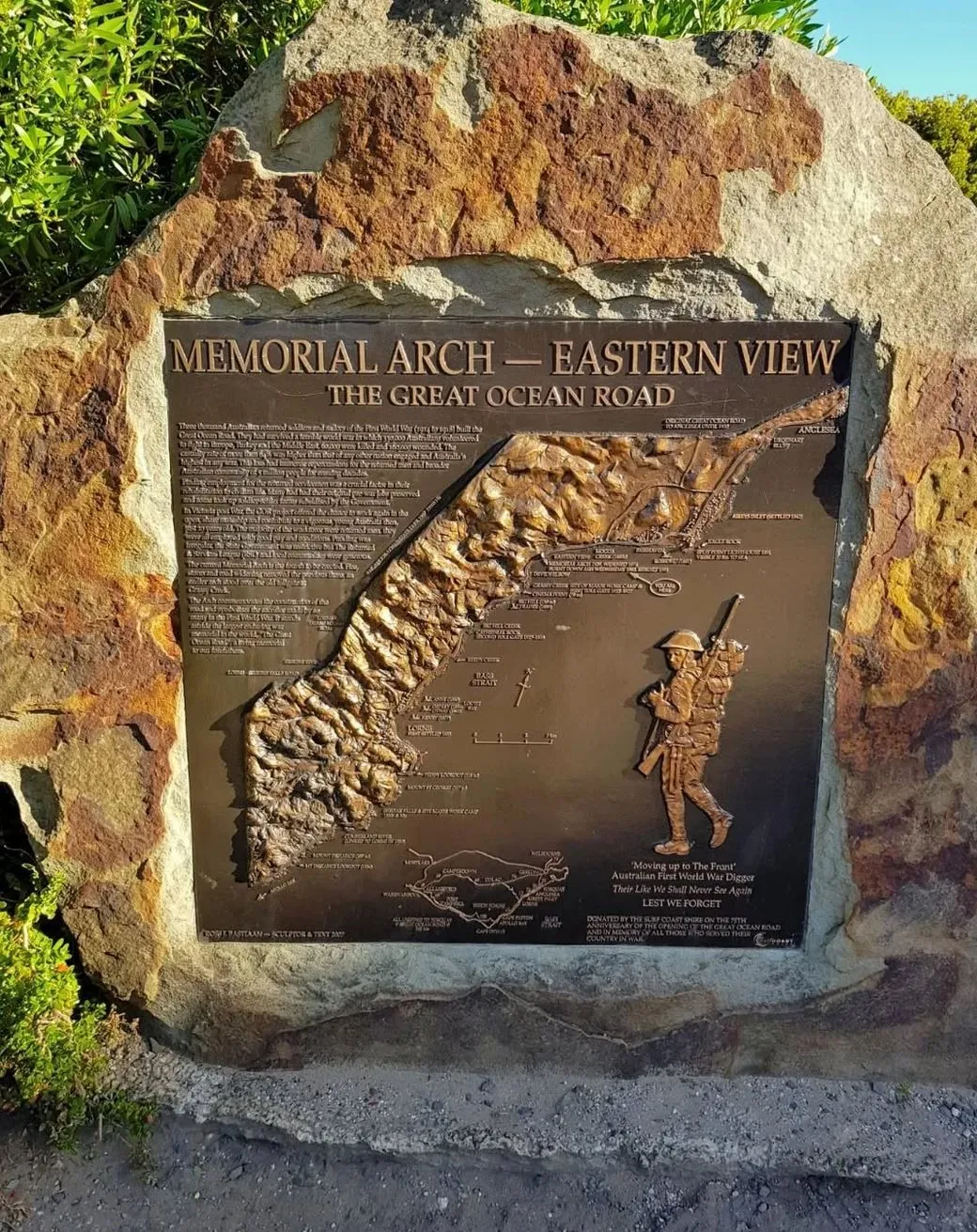
The road itself is layered with history. Some sections near Lorne still follow the original digger-built alignment, with tight bends and hand-carved rock faces. There’s a memorial arch at Eastern View, honouring the workers who built it — worth a proper stop, not just a drive-by snap.
A Great Ocean Road day trip isn’t just about covering kilometres — it’s about slowing down, pulling over and soaking in the living stories embedded in the landscape.
Historic Stays and Story-Filled Stops
- Wye River General Store – Once the pit stop of choice for supply trucks, now slinging excellent coffee and sea views.
- Cape Otway Lightstation – Australia’s oldest surviving lighthouse, with tales of shipwrecks and isolation.
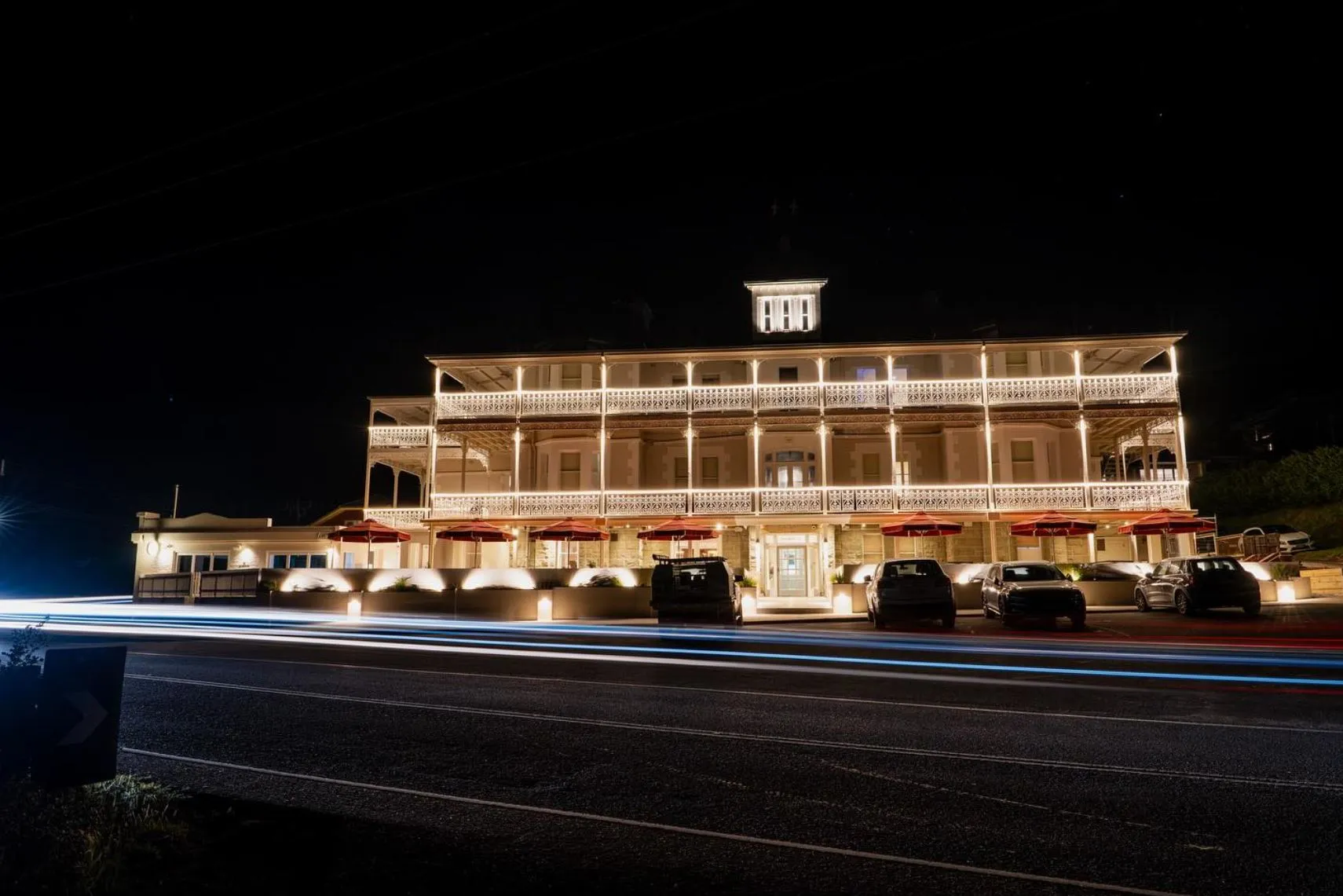
- Lorne’s Grand Pacific Hotel – Hosted artists, politicians and weekenders since the 1870s.
Planning a Trip With the Past in Mind
Best Time to Go
- Autumn (March to May) – Crisp mornings, fewer crowds and whales still offshore.
- Spring (September to November) – Wildflowers galore and more daylight hours.
Watch for:
- Landslides in the wet season — Especially around Wye River and Kennett River
- Narrow sections built by hand — Charming but not designed for caravans the size of a small nation
- Accessibility issues — Some parts of the coastal drive still present challenges for travellers with mobility needs, though accessibility efforts are underway to improve equity of outcomes.
What to Pack
- Reusable water bottle and coffee cup
- A decent road map (because signal’s patchy past Apollo Bay)
- Layers — coastal winds can go from “t-shirt warm” to “where’s my puffer?” in five minutes
Why the Road Still Matters
There’s a reason this stretch of bitumen has lasted a century — it connects more than just towns. It links past and present. It’s a place where surfers wax boards near Anzac memorials, where hikers tread on old logging routes and where tourists snap selfies beside landscapes that diggers once carved by hand. When you’re stuck behind a slow-moving Britz van, it’s easy to forget the Great Ocean Road is the longest war memorial in the world. But next time you pull over to take in the views or grab a pie in Anglesea, take a moment to think of the hands that made that moment possible.
This isn’t just a road trip — it’s a moving monument, an engineering feat and a tourism model that’s still evolving to balance beauty, accessibility and reality.
FAQ
Who built the Great Ocean Road?
Returned soldiers built it between 1919 and 1932 as a memorial to their mates who died in WWI.
What was the original purpose of the road?
A coastal link and a living war memorial. Also supported local timber industries in the early days.
When did tourism start along the Great Ocean Road?
Tourism boomed after WWII with the rise of car ownership and domestic holidays.
Is the road heritage listed?
Yes — it’s on the Australian National Heritage List for its historical and cultural significance.
Can you still see parts of the original road?
Yes. Sections near Lorne and Wye River still follow the original alignment.